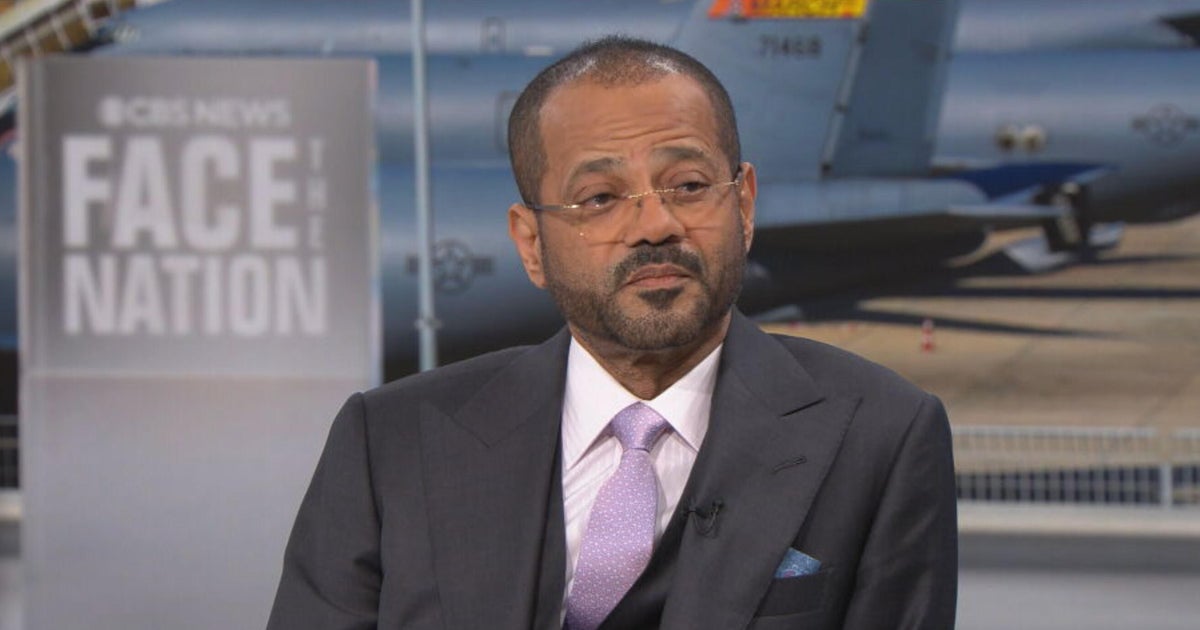
Araghchi: No US-Iran Talks Amidst Israeli Aggression
The diplomatic landscape surrounding Iran's nuclear ambitions and regional role remains fraught with tension, marked by firm declarations from Iranian officials. In a recent significant statement, Iranian Foreign Minister Abbas Araghchi underscored a critical precondition for any potential dialogue with the United States: an immediate cessation of Israeli aggression. This stance, articulated amidst escalating regional hostilities, sends a clear message about Tehran's immediate priorities and its firm position on engagement with Washington.
Araghchi's remarks, initially reported in German media and drawing significant international attention, highlight the intricate web of geopolitical challenges defining the Middle East. While Iran has expressed a conditional readiness for nuclear negotiations with Western powers, direct talks with the U.S. appear to be off the table as long as Israeli military actions against Iranian targets persist. This complex scenario requires a deeper dive into the demands, the regional context, and the broader implications for international diplomacy.
The Sticking Point: Israeli Aggression and US-Iran Dialogue
The core of Araghchi's message is unequivocal: there is "no room for negotiations" with the United States while Israel continues its military campaign against Iran. This explicit condition directly links the prospects of dialogue between Tehran and Washington to the cessation of hostilities by a third party, Israel. According to Araghchi, the Americans have repeatedly conveyed messages expressing a serious desire for talks, yet Iran remains unyielding given the ongoing aggression.
This aggression, as detailed in reports, began with a large-scale Israeli offensive on June 13th, targeting Iranian military and nuclear facilities. Israel justified its actions by stating its goal was to prevent Tehran from developing a nuclear bomb, an accusation Iran consistently denies. In response, Iran has launched its own missile attacks against targets within Israel, creating a dangerous cycle of escalation. This tit-for-tat dynamic creates an incredibly challenging environment for diplomacy. For Iran, engaging in direct talks with the U.S. while its facilities are under attack by an American ally would likely be perceived as a sign of weakness or concession, which it is keen to avoid. This makes Araghchi's stance not just a diplomatic statement but also a strategic assertion of sovereignty and resolve in the face of perceived external threats. It's a clear signal that the regional security complex, particularly Israel's actions, cannot be compartmentalized away from broader diplomatic efforts involving the U.S.
Iran's Broader Negotiation Stance: Conditions and Red Lines
While direct talks with the U.S. are currently blocked by the Israeli aggression, Iran has indicated a more open, albeit conditional, approach to multilateral nuclear negotiations with other Western powers. Araghchi previously stated Iran's readiness to resume nuclear talks with the West, emphasizing the need to rebuild trust to facilitate the lifting of sanctions. The fundamental conditions for such dialogue, he asserted, must be based on mutual respect and conducted "without the exertion of pressure." This distinction is crucial: Iran differentiates between the immediate, direct threat of Israeli attacks – which prevents US dialogue – and the longer-term engagement regarding its nuclear program with a broader group of nations.
This nuanced position was evident as Araghchi was reportedly expected in Geneva for discussions with European foreign ministers, including Germany's Johann Wadephul, and his counterparts from the UK and France, with EU foreign policy chief Kaja Kallas also slated to participate. These meetings aim to find a negotiated solution for the Iranian nuclear program, signaling Europe's continued role as a potential bridge in de-escalation efforts. However, even in these broader negotiations, Iran has drawn firm "red lines." Araghchi explicitly rejected demands from former U.S. President Donald Trump, such as limiting the range of ballistic missiles and ceasing uranium enrichment, stating unequivocally that defense strategies and missile systems "would never be the subject of negotiations." He affirmed Iran's commitment to preserve, and if necessary, expand its defensive capabilities. This makes it clear that while Iran is Ready for Nuclear Talks, Demands Mutual Respect, its core security apparatus, particularly its missile program, is non-negotiable, acting as Iran's Red Line: Missile Defense Not on Negotiation Table. Any genuine negotiation must respect these boundaries, highlighting the difficulty of finding common ground when core national security interests are perceived to be at stake.
Practical Considerations for International Diplomacy
- Distinguishing Talks: It's vital for international actors to recognize Iran's differentiation between direct U.S. talks and broader multilateral nuclear discussions. The conditions for each are distinct.
- Understanding Red Lines: Any diplomatic effort must acknowledge Iran's non-negotiable stance on its missile program and defense capabilities to avoid immediate deadlocks.
- De-escalation First: For U.S.-Iran direct dialogue, de-escalation of regional hostilities, particularly Israeli attacks, is presented as an absolute prerequisite.
- Role of Mediators: European powers and regional actors like Turkey may play a crucial role in facilitating indirect communication or setting the stage for future direct talks.
The Geopolitical Chessboard: Regional Dynamics and International Efforts
The current standoff is not just a bilateral issue between Iran and the U.S. or Israel; it's a multi-layered geopolitical challenge with significant regional and international dimensions. The presence of European diplomats in Geneva, alongside EU foreign policy chief Kallas, underscores the enduring international concern over Iran's nuclear program. These multilateral forums represent a different avenue for engagement compared to the currently frozen direct U.S.-Iran channel.
The historical context further complicates matters. The U.S. withdrawal from the 2015 international nuclear agreement (JCPOA) in 2018, under the Trump administration, significantly eroded trust and led to Iran escalating its uranium enrichment activities. This background of broken agreements and heightened enrichment continues to fuel Western anxieties about Iran's nuclear intentions, which Tehran steadfastly denies. Simultaneously, regional actors like Turkey are attempting to position themselves as mediators. Turkish Foreign Minister Hakan Fidan recently hosted his Iranian counterpart, and reports suggest President Erdogan even approached former U.S. President Trump regarding high-level trilateral talks with Iran. Such mediation efforts reflect a broader desire to prevent further escalation and find diplomatic off-ramps, but their success hinges on the willingness of all principal parties to engage meaningfully and make concessions.
Looking Ahead: Prospects for Dialogue and De-escalation
The path forward is riddled with significant obstacles. For direct U.S.-Iran talks to materialize, a fundamental shift in the regional security situation, specifically a halt to Israeli aggression against Iran, would be required – a condition that seems difficult to meet in the short term given the stated objectives of all parties. The deep mistrust between Tehran and Washington, exacerbated by past actions like the JCPOA withdrawal and the current military escalations, further complicates any potential rapprochement. Moreover, the conflicting demands – the U.S. seeking limits on Iran's nuclear program and regional influence, while Iran demands sanctions relief and respect for its defense capabilities – create a wide chasm that diplomacy must bridge.
Despite these challenges, the consistent messaging from the U.S. (as reported by Araghchi) about its desire for talks, coupled with Europe's ongoing diplomatic efforts, suggests that channels for communication, however indirect, remain open. The immediate focus for international diplomacy will likely be on de-escalating the current military tensions and creating an environment where the conditions for dialogue can eventually be met. This might involve concerted efforts to establish ceasefires, de-confliction mechanisms, or confidence-building measures, which are essential precursors to any meaningful political negotiations. The intricate interplay of regional security, nuclear proliferation concerns, and the internal politics of each nation means that any resolution will be gradual, requiring patience, persistent diplomatic engagement, and a willingness from all sides to move beyond entrenched positions.
Key Facts to Remember:
- Iranian Foreign Minister Abbas Araghchi states direct U.S.-Iran talks are impossible while Israeli aggression against Iran continues.
- Iran is conditionally open to nuclear negotiations with European powers, emphasizing mutual respect and no pressure.
- Iran considers its ballistic missile program and defense capabilities non-negotiable.
- Israeli military actions against Iran began June 13th, targeting military and nuclear sites, with Iran retaliating.
- The U.S. reportedly seeks negotiations with Iran, but Iran's conditions remain firm.
Conclusion
The pronouncements from Foreign Minister Araghchi paint a clear picture of Iran's current diplomatic posture: firm on its red lines, conditional on engagement, and acutely sensitive to regional security dynamics. While Iran expresses a readiness for nuclear negotiations with the broader international community on its terms of mutual respect and absence of pressure, the door to direct talks with the United States remains firmly shut as long as Israeli aggression persists. This complex and volatile situation underscores the urgent need for de-escalation and sustained diplomatic efforts from all parties. The future of any meaningful "irakchi verhandlungen" – or rather, Araghchi's negotiations and Iranian diplomacy – hinges on navigating these intricate layers of mistrust, security concerns, and conflicting national interests.